About Ebrahim Pourdavoud
The Pourdavoud Institute for the Study of the Iranian World was named after the late Professor Ebrahim Pourdavoud, an iconic scholar of ancient Iran.
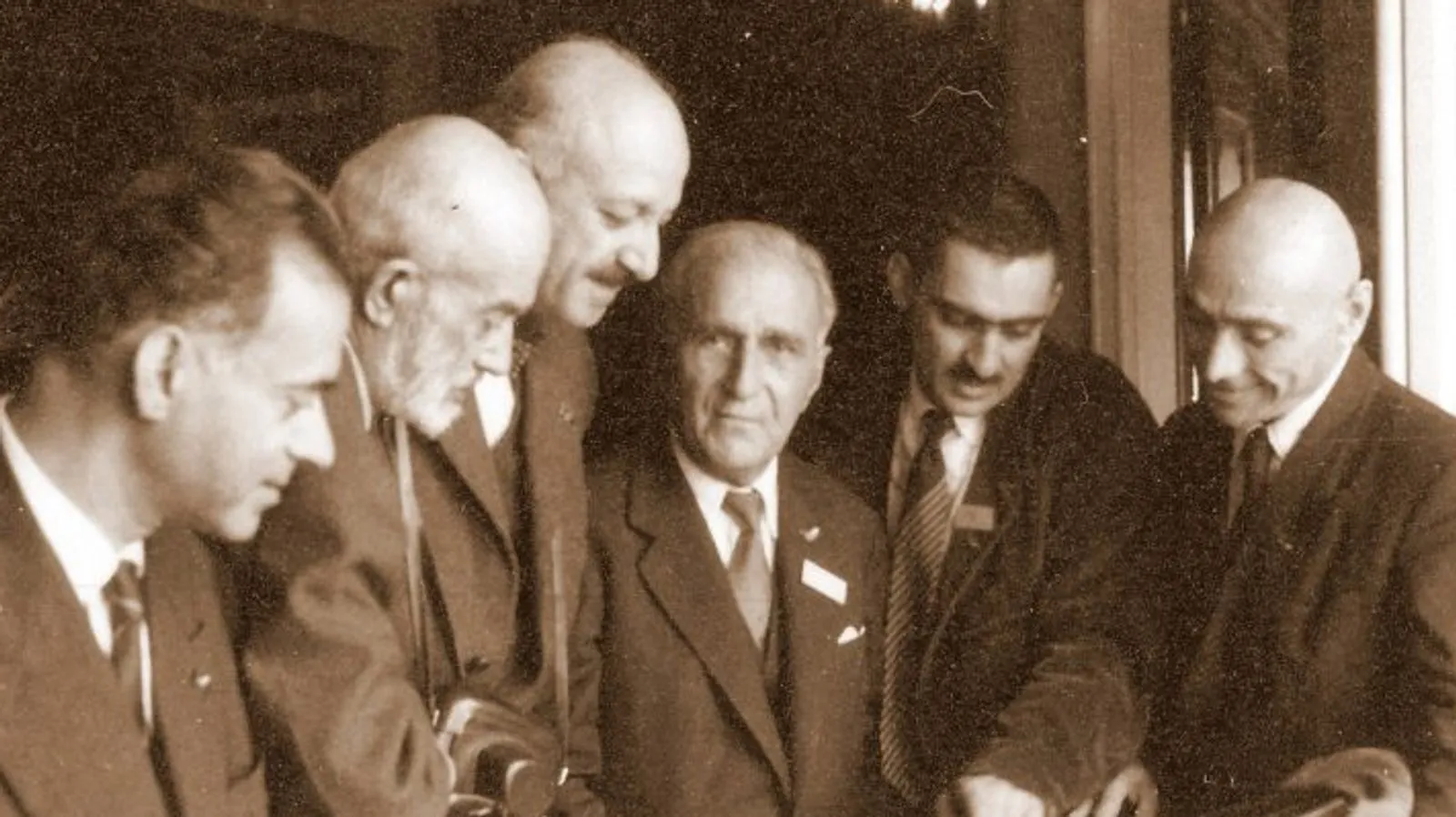
Honoring an Iconic Scholar
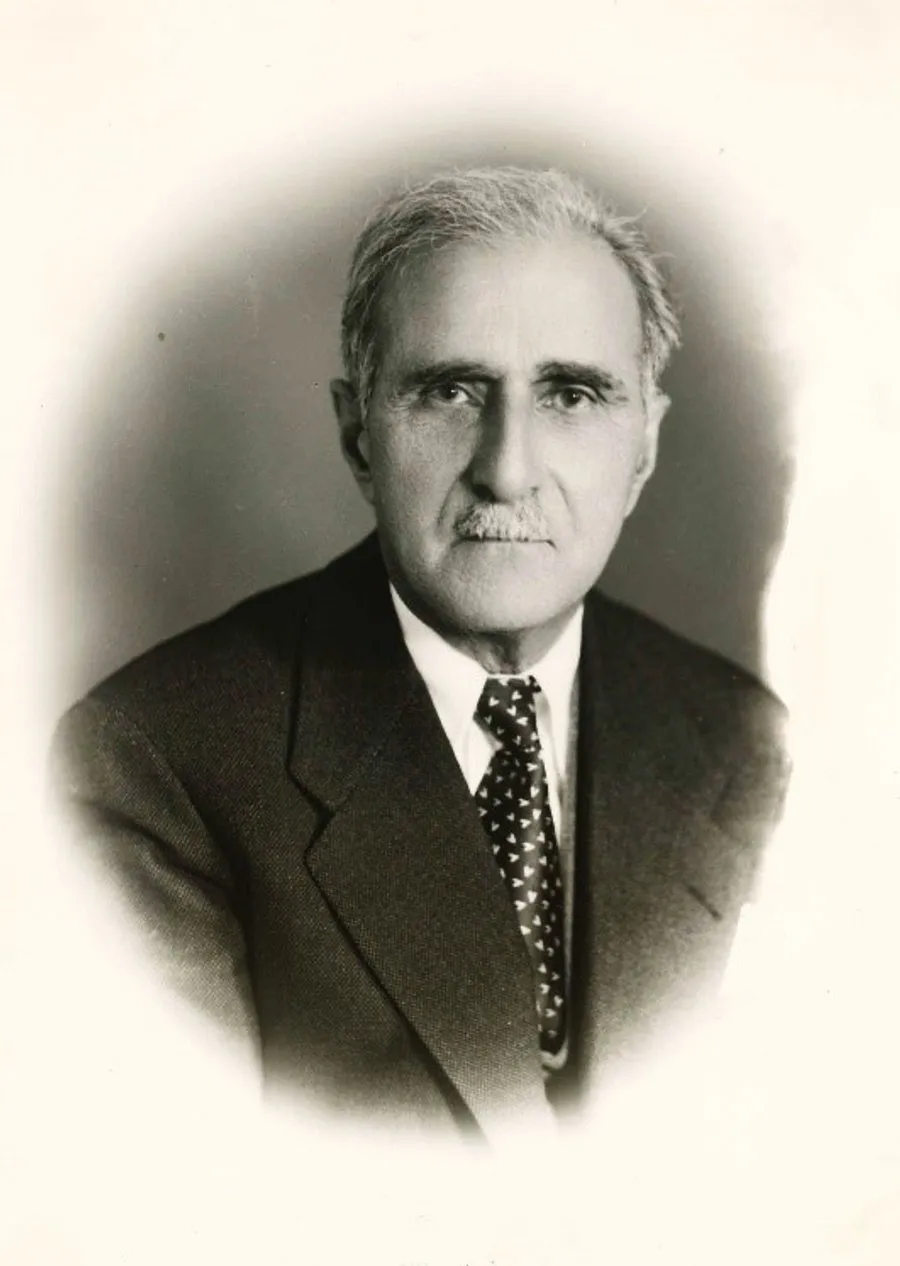
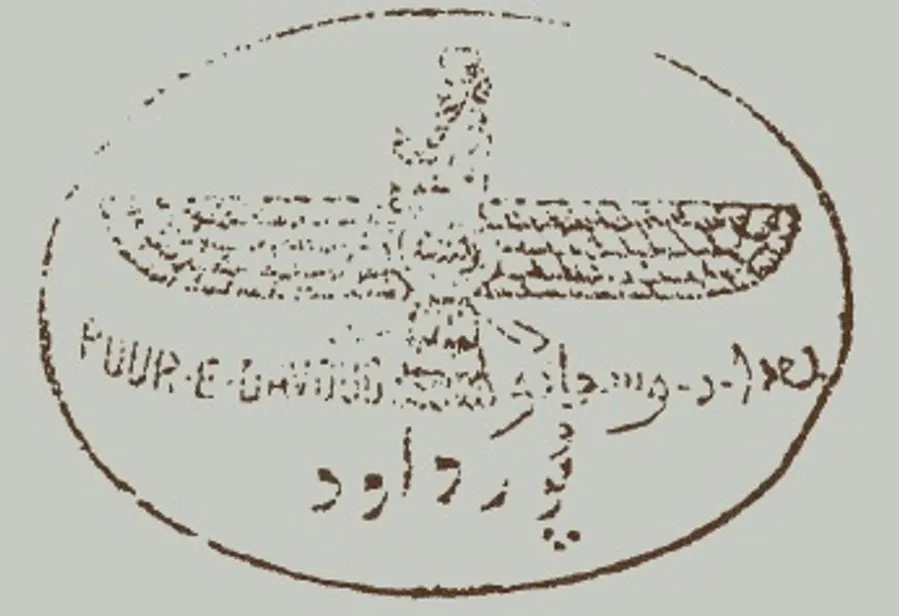
The Pourdavoud Institute for the Study of the Iranian World was named after the late Professor Ebrahim Pourdavoud, an iconic scholar of ancient Iran, who was responsible for instituting the study of ancient Persia as an academic discipline in 1924, and training and mentoring generations of scholars during his career. He pioneered the first new Persian translation of the Avesta, the sacred scriptures of the Zoroastrian religion, and profoundly impacted Iranian mores by resurrecting and identifying ancient Persia as a positive force for societal progress in Iran.
Pourandokht Pourdavoud Naficy
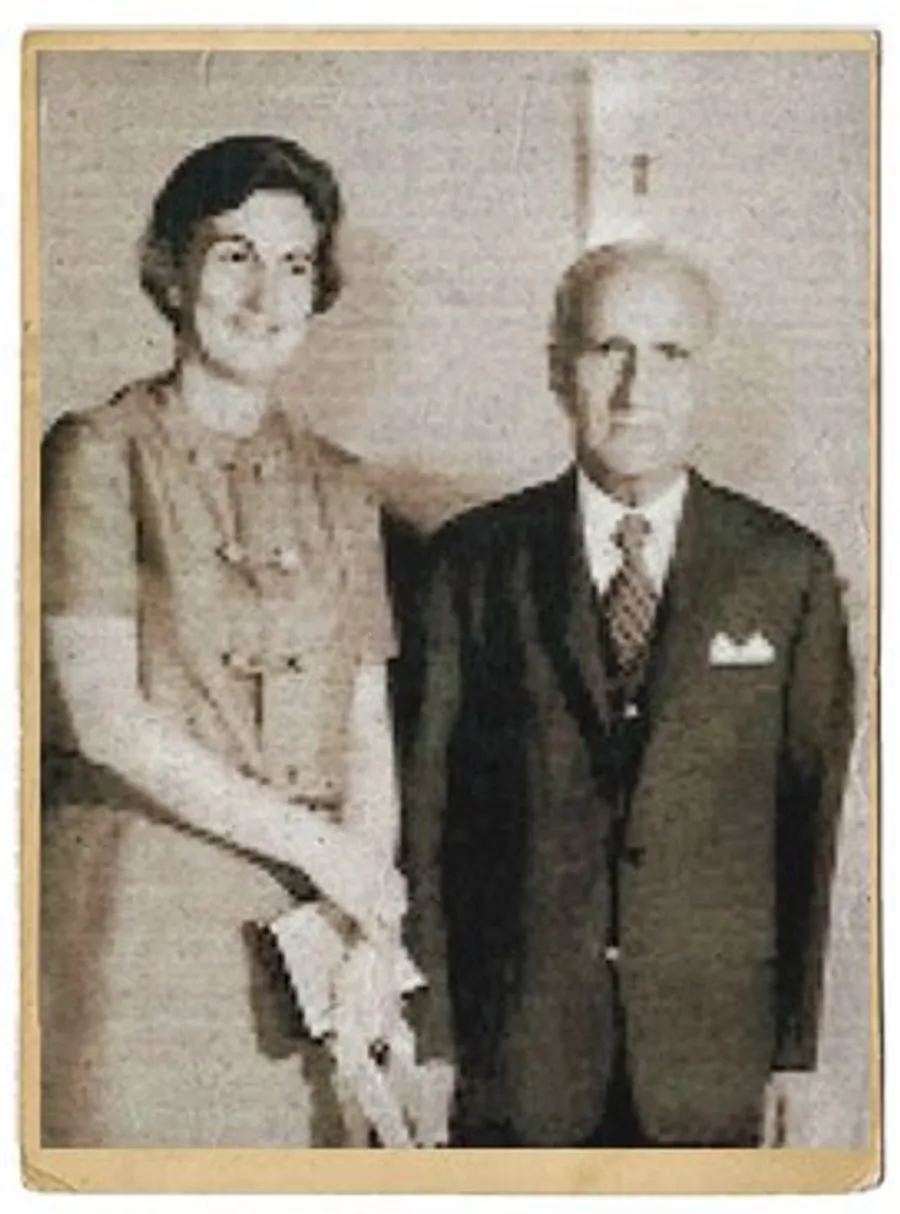
The impetus for the creation of the Pourdavoud Institute, which celebrates the academic contributions and legacy of Professor Pourdavoud, came from his dedicated family. In particular, Professor Pourdavoud’s daughter, Pourandokht, sustained his memory and was integral to the foundation of the Pourdavoud Institute.
Pourandokht Pourdavoud Naficy was born on June 29, 1921 in Berlin, Germany. She was the only child of Professor Ebrahim Pourdavoud and his German wife, Erna (Erni) Haase, the daughter of a prominent dentist from Stettin, German Pomerania. Growing up in Germany, Pourandokht lived in a household steeped in scholarship. Professor Pourdavoud could most often be found in his home library. Pourandokht was always proud of her father’s academic work and knew from a very early age that his scholarship was foundational for not only the study of the ancient world, but also for the modern people of Iran. As she later shared with her family, Professor Pourdavoud “introduced ancient Iran to modern Iran.”
It was doubtless because of her father’s dedication to the study of ancient Iran that Pourandokht always felt a strong sense of being Iranian, even while living in Germany. On the eve of World War II, she and her parents moved to Iran and Ebrahim Pourdavoud took a professorship at Tehran University. Pourandokht would often visit him at the university and sit in on his passionate and riveting lectures. It was in her late teen years that she became fluent in Persian and perfected two other languages, French and English, in addition to her native German. It was also during this time in her life, with the move to Iran and the global war that prompted her family’s departure from Germany, that Pourandokht’s conviction about the importance of world patrimony was formed.
As she stated in her welcoming comments at the Pourdavoud Center’s inauguration in the spring of 2017:
“I am sure my father would have been thrilled to see and witness that even in the New World, curiosity and interest in ancient civilizations has prospered so well and that a whole new generation of students and scholars are dedicating time, some just in their youth but others with a lifelong commitment, to the study of, and research into, a better understanding of what our ancestors were all about. I am convinced that he would have argued, in that gentle but entirely persuasive way of his, that better understanding and appreciation would undoubtedly lead to respect and the acceptance of other cultures and peoples. The fragile social fabric of today’s much challenged world civilization requires us all to strive ever harder towards that better understanding and appreciation.”
—Pourandokht Pourdavoud Naficy, Spring 2017
Pourandokht lived with the strong conviction that the study of the ancient past would unite the present. When she and her husband, engineer Fatollah Naficy, left Iran in 1978 as a consequence of the Iranian Revolution, she carried that conviction with her, first to France before making her final journey to Los Angeles in 1987. Years later, she and her four children discussed Professor Pourdavoud’s legacy, and Pourandokht divulged that it was always her wish that his name would continue to live in the academic world, supporting the research of a new generation of scholars.
With Pourandokht living in Los Angeles, UCLA emerged as an ideal place to secure Professor Pourdavoud’s legacy. Pourandokht believed that UCLA, supporting scholars of the ancient world from their undergraduate years through their doctorate research, as well as having robust post-doctoral and professional academic opportunities, would be the ideal home for a center dedicated to the academic legacy of her father.
Her family’s vision became a reality a few months before her passing on June 8, 2017, when the Pourdavoud Institute was initially established as a Center. At the inauguration for the Pourdavoud Center for the Study of the Iranian World, Pourandokht expressed that vision:
“The Pourdavoud Center will now move from a dream to delivery. Courses will be taught and research carried out, papers written and conference convened. It will reach out to all with an interest not just in ancient Iranian languages, religions, and culture, but to those with a keen belief in the importance of cross cultural exchanges and respect for the roots and heritage of others.”
—Pourandokht Pourdavoud Naficy, Spring 2017
UCLA is proud to continue the legacy of both Professor Pourdavoud and his daughter, Pourandokht Pourdavoud Naficy. Pourandokht’s children, Hormoz, Anahita, Arash, and Parvin remember her as a woman who always led by example, in quiet and unassuming ways. She was dedicated to her family and friends, and known for her gentleness, wisdom, and incredible compassion towards those in need.
Pourdavoud Center Inauguration
Read the full transcript of Pourandokht Pourdavoud Naficy’s welcoming remarks from the Spring 2017 inauguration of the Pourdavoud Center: