Wu Xin: Imperial Foundations of the Silk Road
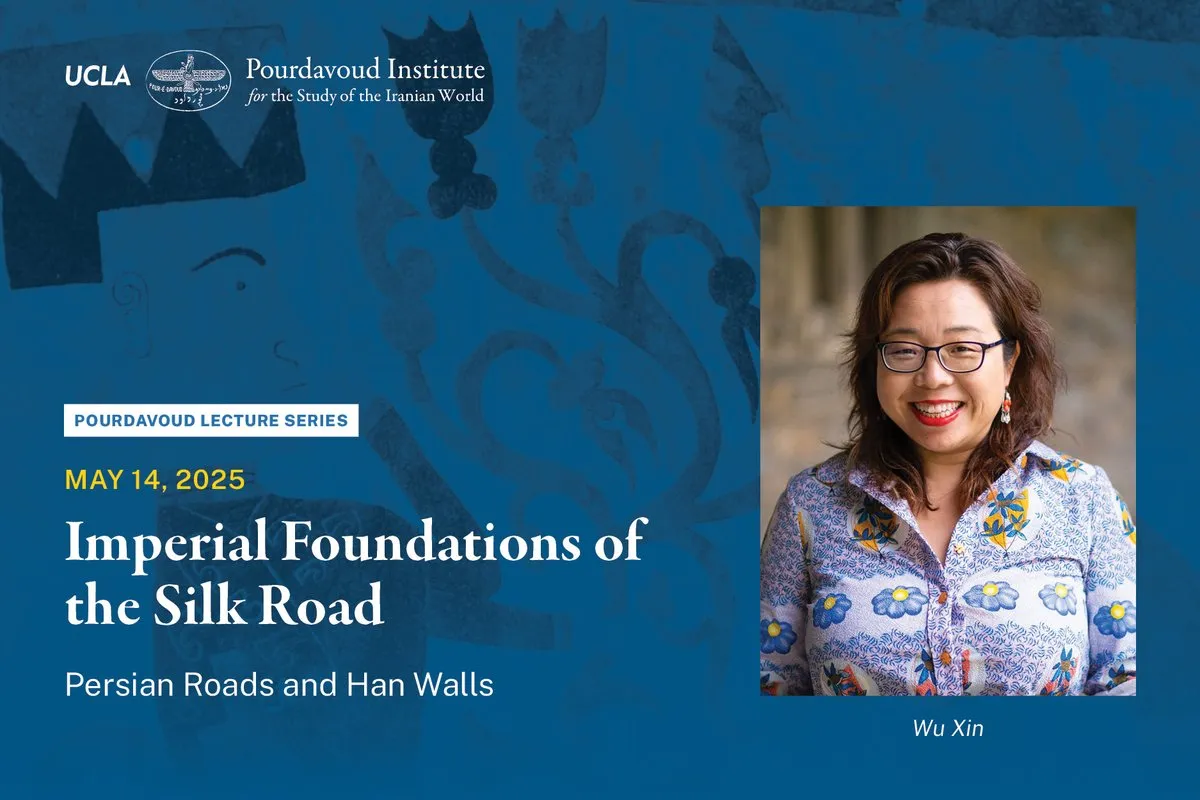
Abstract
Imperial Foundations of the Silk Road: Persian Roads and Han Walls
While the Silk Road is often celebrated as a pivotal example of early globalization, scholarship has primarily focused on the consequences of its connectivity, neglecting the crucial question of its formation and operational logistics. This lecture re-examines the origins and mechanisms of this trans-Eurasian network during the latter half of the first millennium BCE. It posits that the imperial ambitions of the Achaemenid Persian and Han Chinese dynasties were fundamental in establishing this communication network. Specifically, the Persian Royal Road facilitated movement from Central Asia to the Mediterranean, while the Han dynasty’s extensive wall systems provided security and strategic control from Chang’an to Samarkand. This analysis, drawn on archaeological discoveries from Central Asia and wester China, argues that the combined infrastructural investments of these geographically and temporally distinct empires laid the groundwork for the roads that ultimately interconnected the ancient Eurasian world.
Event Video
Wu Xin, Fudan University
About the Speaker

Wu Xin
Fudan University
Wu Xin is a professor in the Department of History at Fudan University in Shanghai, who received her PhD in the Department of the History of Art at the University of Pennsylvania in 2005. With a background in Central Asian art, history, and archaeology, Wu Xin’s research interests include the interactions and connectivity between Iran and the East, covering topics such as warfare, nomads, administrative and religious practices of the Achaemenid Empire. Since 2010, she has been co-directing, with Leonid Sverchkov, a joint archaeological project at Kyzyltepa, an Achaemenid to Hellenistic period site in southern Uzbekistan. Wu Xin is currently working on a monograph entitled “Persia and the East”.