Beate Pongratz-Leisten: Myth, Text and Image in Ancient Mesopotamia

Showing 55 results

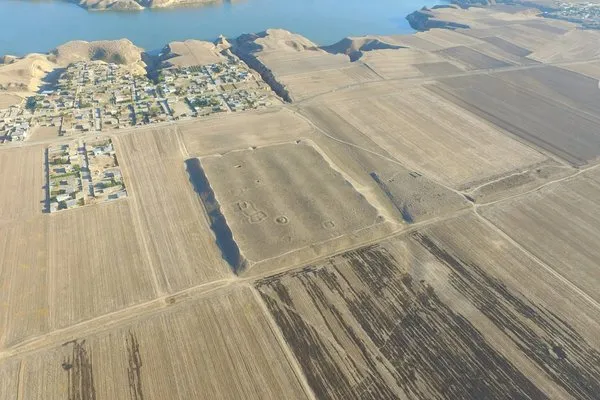
This presentation will introduce new data from the Uzbek-American Expedition to the city of Bukhara, derived from finds and observations made at a series of fortifications, various kinds of dwellings, workshops, as well as burial contexts.

In the first century CE, several Arsacid princes from the Iranian empire of Parthia were sent to live at the court of the Roman emperor. This talk will employ Iranian and Armenian sources to argue that the Parthians would have seen them as the emperor’s foster-children.

This lecture discusses a recent museum exhibition in Berlin entitled, “Elephantine. Island of the Millennia,” the results of a research project working with texts and scripts from Elephantine Island in ancient Egypt.

This presentation considers the historical circumstances which gave rise to the negative stereotypes about the Persians reflected in ancient Greek sources.


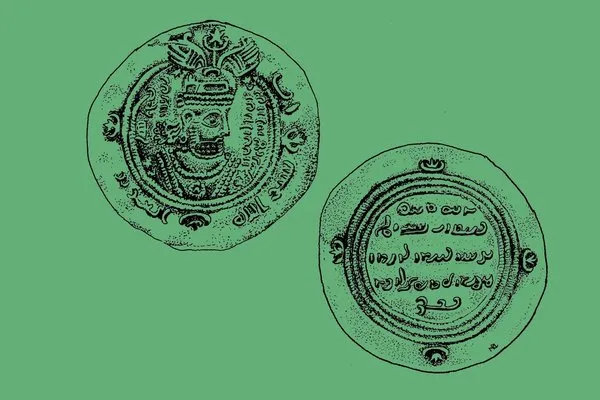
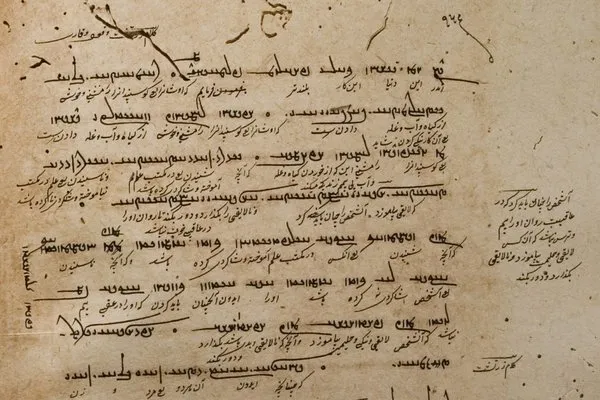
This talk explores the evolution of writing during the Sasanian and early Islamic periods, shedding light on the long-term process that led to Persian becoming the lingua franca in Western and Central Asia.

Due to recent events on campus resulting in the cancellations of classes at UCLA today, Professor Robert Rollinger’s lecture has been canceled.


This lecture will explore the early conflict between Zoroastrians and Muslims by examining the most important polemical treatise in the Zoroastrian tradition, the Škand Gumānīg-Wizār (“The Doubt-Dispelling Disquisition”).

This talk will highlight the huge changes that characterized Gordion’s transition from the Achaemenid to the Hellenistic periods.

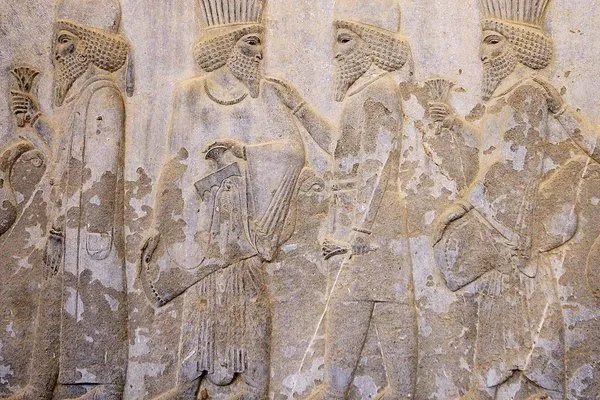
In reliefs across Persepolis, the Achaemenid administrative center, depictions of mediated bodies offer insight into an imperial ideology that generates inclusion through categorical and material slippages.


This lecture explores evidence that suggests that the old Iranian absolute frame of reference was constituted by the sunrise and sunset points of the winter and summer solstices.

This lecture discusses the major progress made in our understanding of the Avestan corpus/texts in the last years.

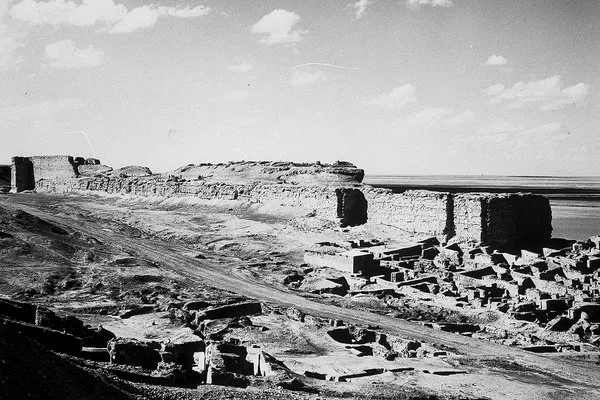
It was only in December 2005 that radiocarbon samples established beyond doubt a Sasanian-era construction date for the Gorgan Wall, the longest fort-lined barrier of the late antique world.

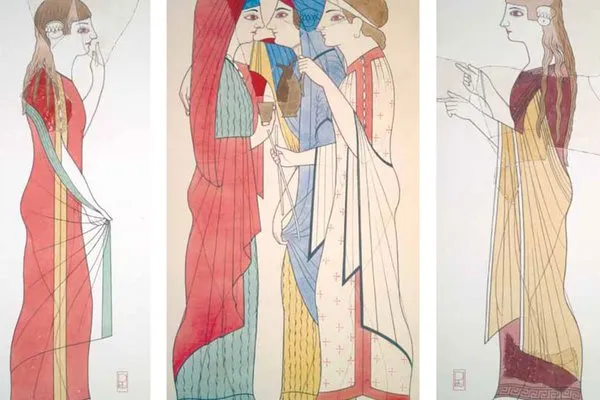
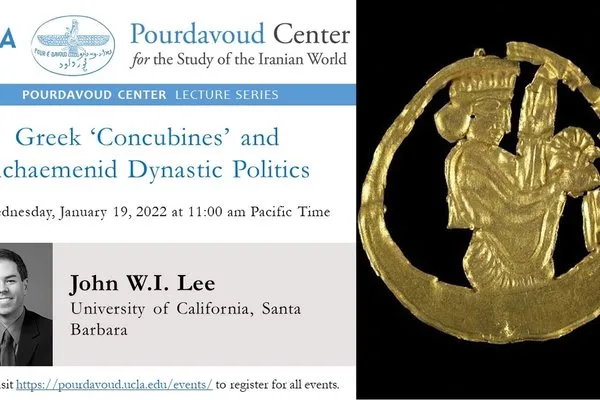
This lecture focuses on the two Ionian Greek women who accompanied Cyrus the Younger on his campaign against his older brother, King Artaxerxes II, in the Achaemenid civil war of 401 BC.

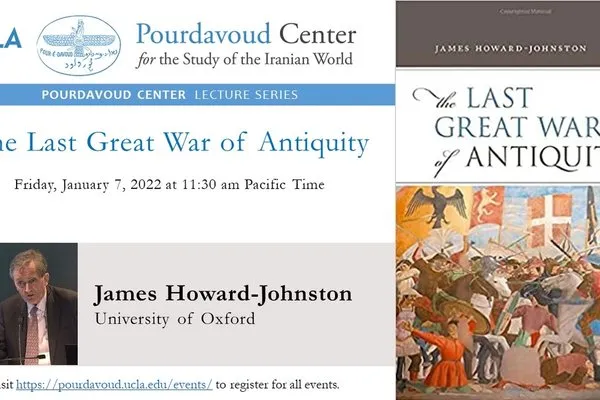
James Howard-Johnston’s The Last Great War of Antiquity aims to fill the gap in the history of warfare by piecing together the scattered and fragmentary evidence of the early 7th century to form a coherent story of the dramatic events surrounding the last Roman-Persian war.